A Nationally Accredited, Family Run, Fire Safety Consultancy
We are a fire safety consultancy, providing a broad scope of fire risk assessments, fire strategy documents, door surveys, and consultation
We are based in two locations, Sussex and Somerset, and provide fire safety consultancy throughout England and Wales. Our fire risk assessments are undertaken by Advanced Competency assessors on the National Fire Risk Assessor Register (NFRAR)
Our services
Fire Risk
Assessments
A detailed assessment of fire risk within a premises, undertaken to meet the requirements of the Regulatory Reform (Fire Safety) Order 2005 for the responsible person
Fire
Strategies
A technical fire safety strategy prepared to support design or refurbishment and demonstrate compliance with Part B of the Building Regulations
Fire Door
Surveys
Detailed fire door surveys assessing door condition, components, and installation, undertaken in support of fire risk assessments or as a standalone service
High Rise Building Safety
Case Reports
Safety Case reports prepared to support the Principal Accountable Person in meeting their duties under the Building Safety Act, as required by the Building Safety Regulator


Founded in 2007, The Fire Risk Assessment Company is a family run fire safety consultancy
We provide independent fire risk assessments and fire safety consultancy, delivered with technical competence, professional judgement, and a personal approach
- All work is carried out by our two Nationally Accredited, Advanced Competency Assessors
- We don’t use subcontractors or junior staff
- You receive the same level of competence and qualification you would expect from a large national company
- Service is delivered with the continuity, accountability, and personability of a small practice
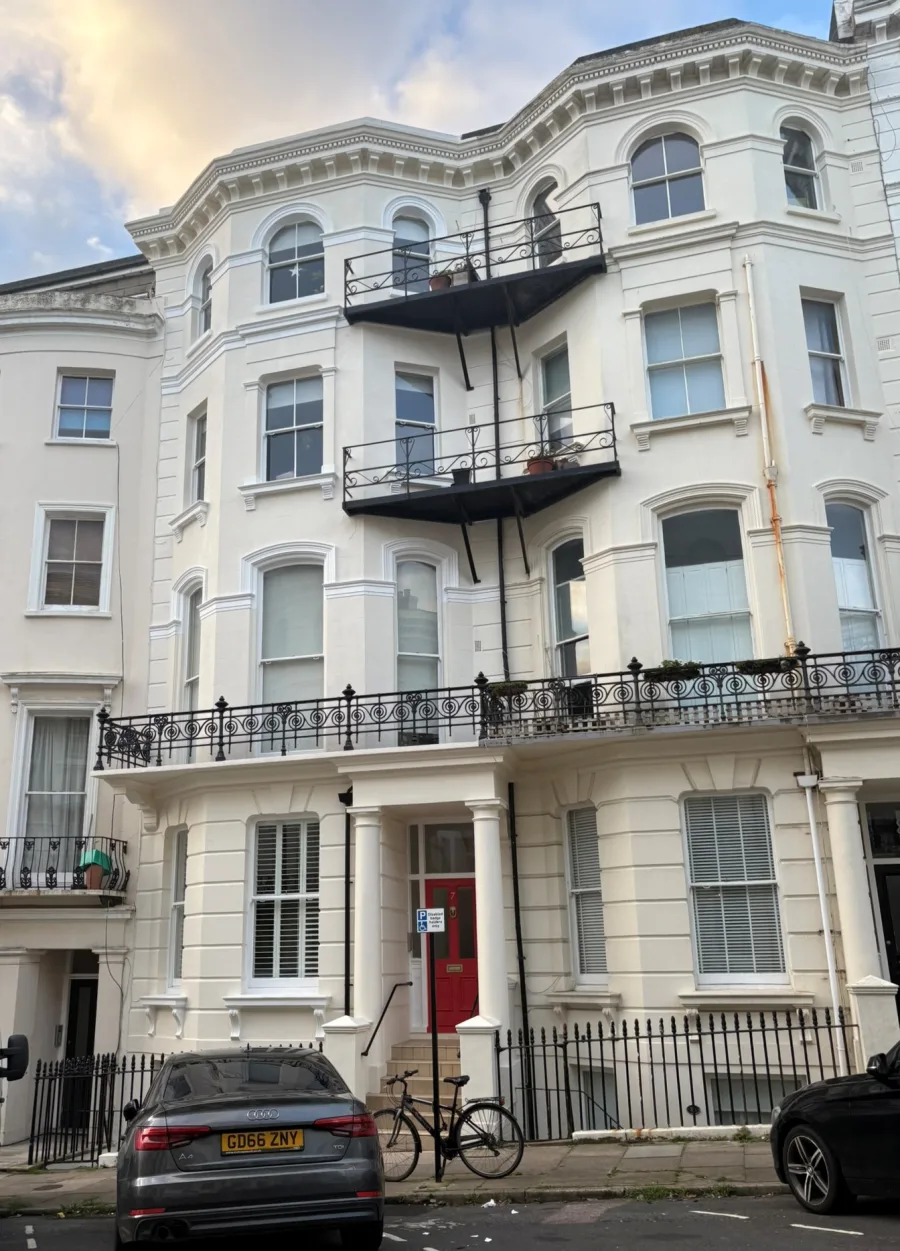
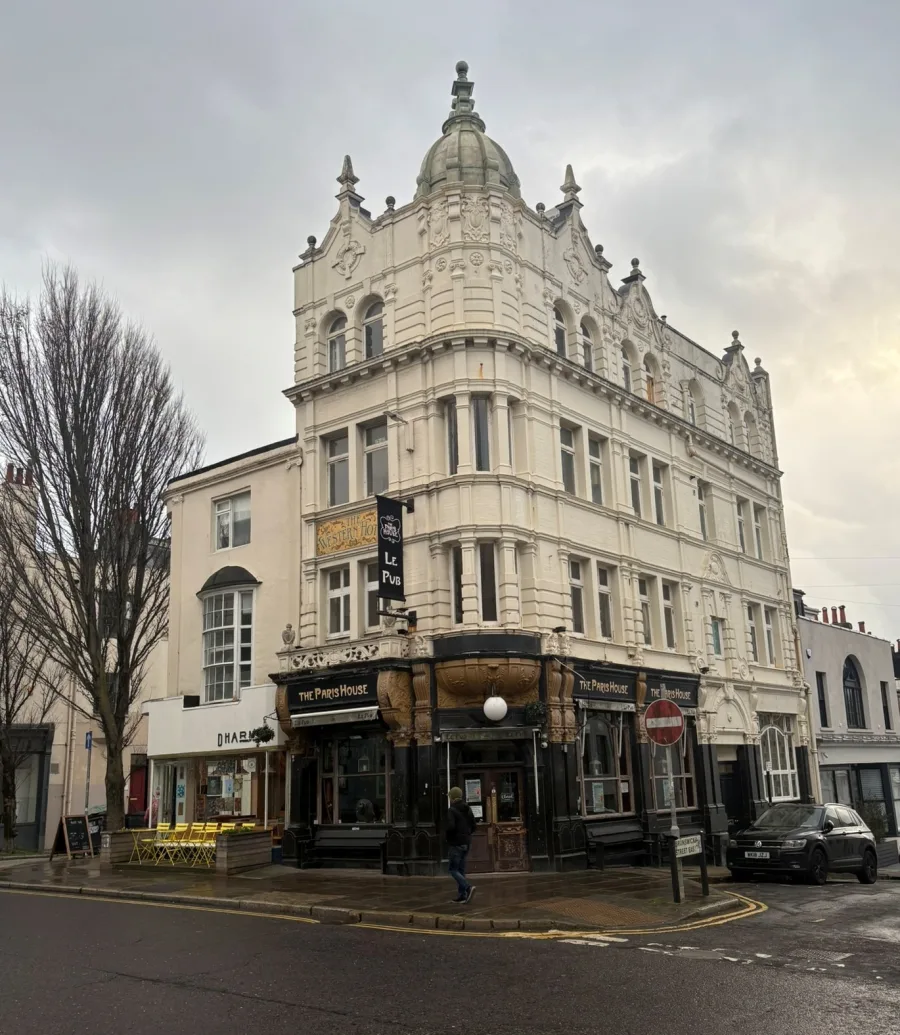
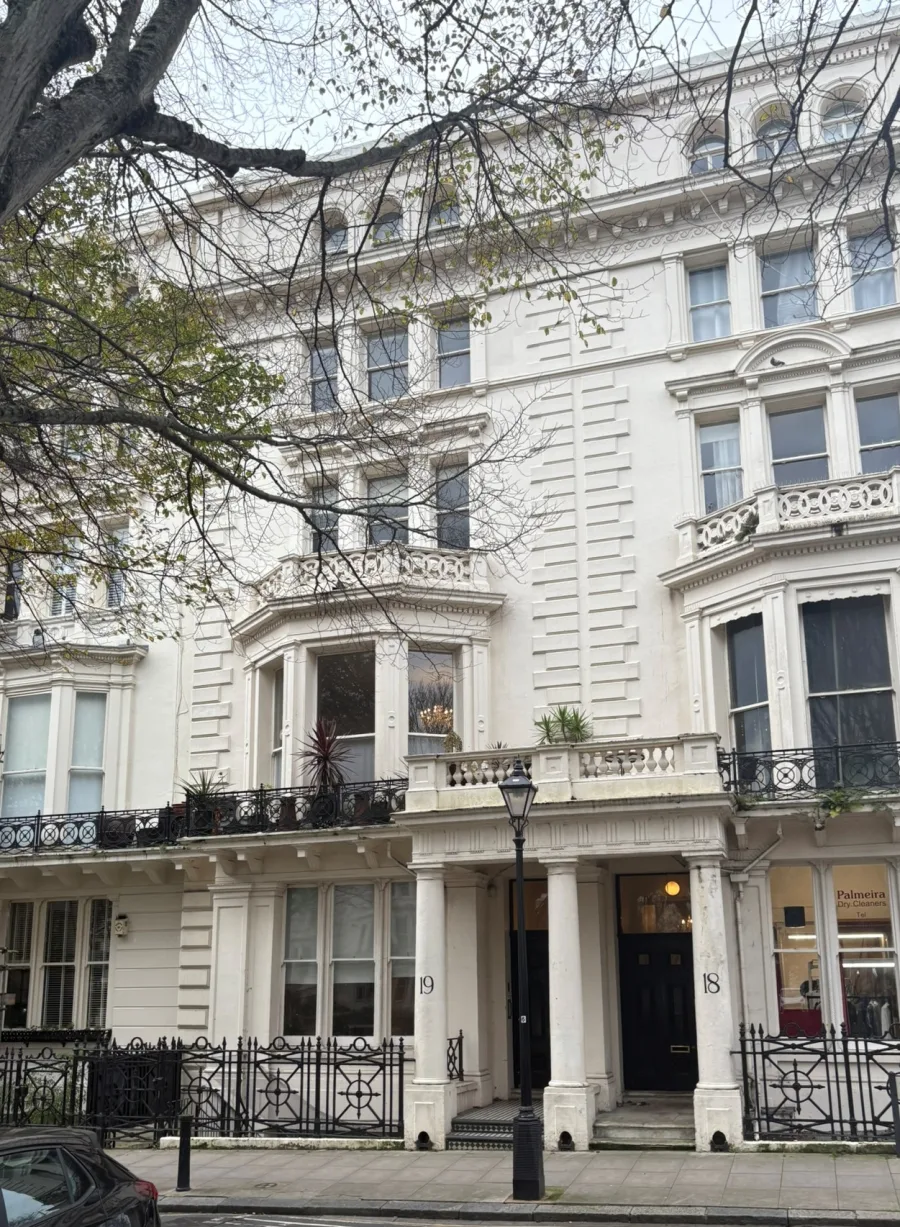
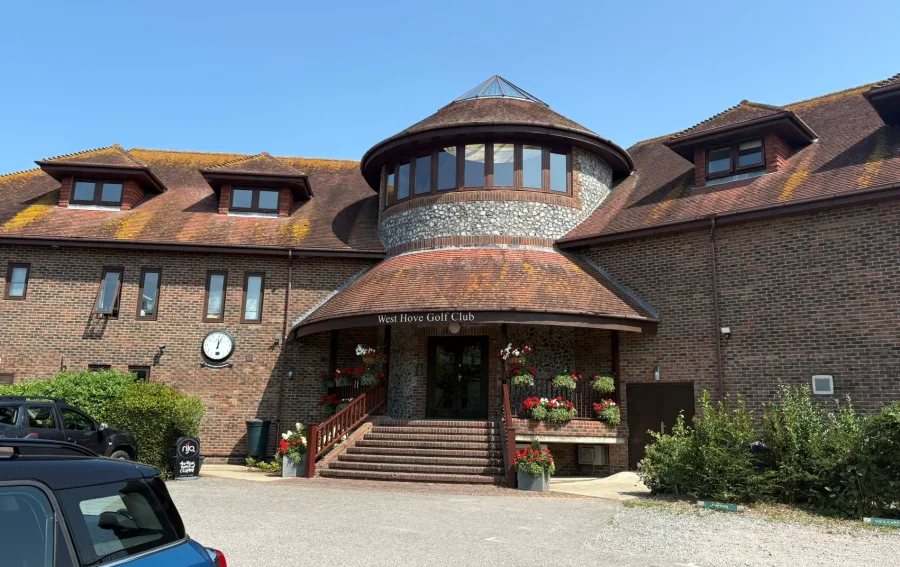
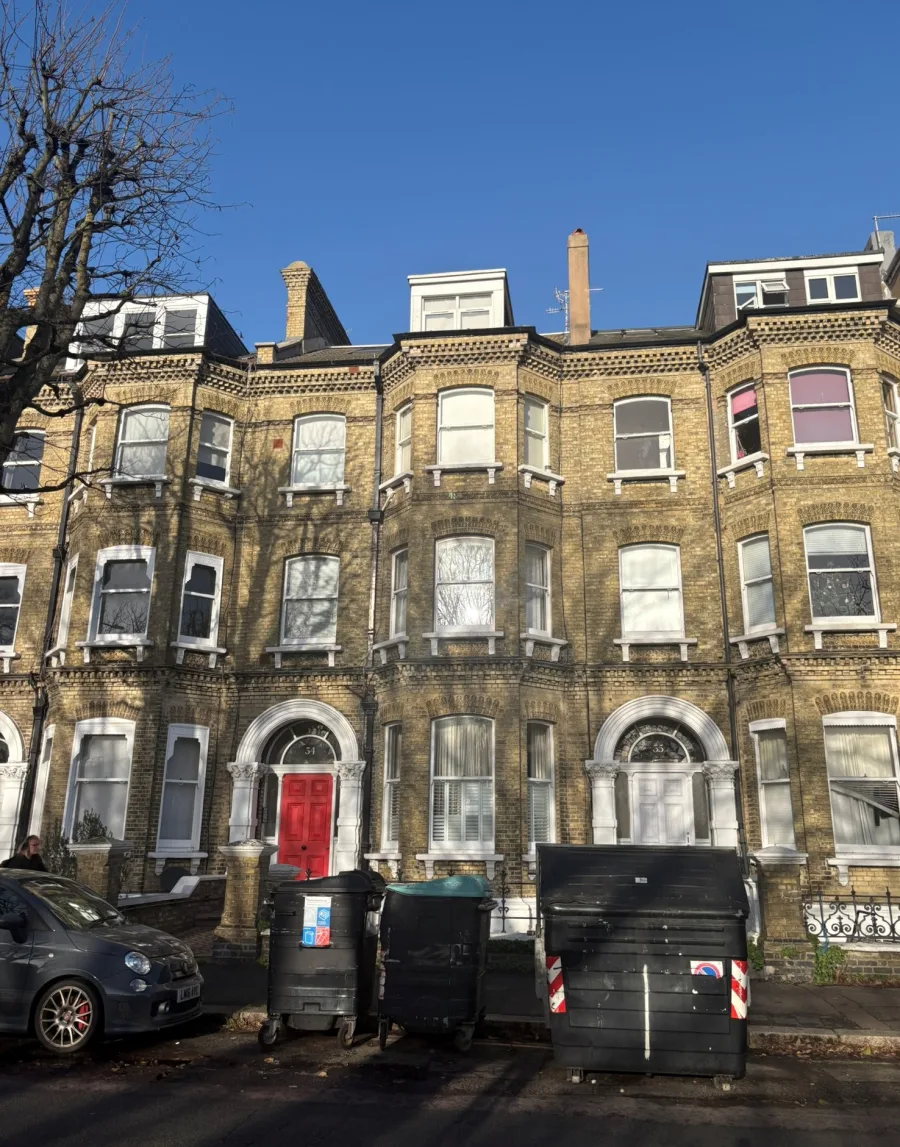
Our Approach to Fire Risk Assessments
We undertake fire risk assessments as a professional qualitative assessment of risk, using experience, technical competence, and professional judgement to inform our conclusions
Our assessments are based on an understanding of how fire risk arises and is managed within real buildings, taking account of building layout, use, occupancy, and management arrangements
We assess risk in context, considering the premises as a whole, instead of treating individual hazards in isolation or applying textbook guidance without nuance
The Regulatory Reform (Fire Safety) Order and PAS 79 set out a risk based approach to fire risk assessment, rather than a prescriptive or scored process. All of our assessments meet this criteria by identifying and evaluating risk, not inventing numerical compliance scores or pass/fail ratings
We focus on life safety and the material risks present, providing proportionate measures that improve fire safety in practice, without recommending unnecessary or ineffective requirements

Meet The Team
Family Run Since 2007



Bruce Townsend
Consultant and Company Director - Somerset
FAQS
Do we require a fire risk assessment?
In most cases, yes. The Regulatory Reform (Fire Safety) Order 2005 is the main fire safety law for England and Wales. It applies to all workplaces and to the common areas of any building containing two or more domestic dwellings (e.g. blocks of flats, HMOs, mixed use buildings).
The Order places a legal duty on the Responsible Person (usually the owner, landlord, proprietor, or managing agent) to carry out and record a suitable and sufficient fire risk assessment, and to provide and maintain appropriate fire precautions.
How long is a fire risk assessment valid for?
Fire risk assessments do not have a fixed expiry date. Under the Regulatory Reform (Fire Safety) Order 2005, they must be kept up to date and reviewed regularly to ensure they are suitable and sufficient.
What “regularly” means depends on the level of fire risk, how the building is used, and how likely it is to change. In practice, the following review intervals are commonly adopted:
Higher risk premises: reviewed annually or more frequently
Medium risk premises (including most buildings with sleeping accommodation): reviewed every two year
Lower risk premises: reviewed every three years, or sooner if changes occur
In all cases, a fire risk assessment must be reviewed sooner if there is a material change, such as alterations to the building, a change of use, a change in occupancy, or changes to fire safety measures or management arrangements.
Who can carry out a fire risk assessment?
A fire risk assessment must be carried out by a competent person. This means someone with sufficient training, experience, and knowledge to understand fire risk and apply appropriate judgement.
For anything beyond very simple premises, this will normally require a professionally qualified assessor, with relevant accreditation and experience.
What does “suitable and sufficient” actually mean?
In practice, a suitable and sufficient fire risk assessment is one carried out by a person with appropriate knowledge, training, experience, and accreditation to assess fire risk competently for the premises.
This requires a working understanding of relevant fire safety legislation and recognised guidance, building construction and use, fire behaviour, and the ability to apply professional judgement to the specific risks present.
Is a fire risk assessment a certificate or approval?
No. A fire risk assessment is not a certificate, approval, or guarantee of compliance.
It is a professional assessment of fire risk at the time of inspection, intended to support the Responsible Person in understanding and managing fire safety responsibilities.
What information do you need before the assessment?
We will normally ask for basic information about the premises, including its use, size, occupancy, and any existing fire safety documentation. Where available, this should be provided in advance or made accessible on site.
I’ve been told my fire door needs to be replaced, is that right?
A recommendation to replace a fire door may be appropriate, but it depends on the condition of the door, how it performs, and the level of fire risk within the premises. A door that does not fully meet current standards is not automatically unsuitable.
We assess doors in the context of the building as a whole. In many cases, doors can be upgraded or repaired to achieve an acceptable level of performance. Where a door falls short of current guidance but still provides adequate protection in practice, it may be considered sufficient following risk assessment.
This is particularly relevant in buildings where design and construction constraints can limit replacement options. In such cases, suitability is determined through assessment of risk and proportionality, rather than prescriptive replacement.
Reviews
David L
Fire Strategy
Sam helped us with a fire strategy to demonstrate building regs compliance in a listed building. He is pragmatic, responsive and a pleasure to work with.
Colin B
Fire Risk Assessment
Well this company were amazing from start to finish they ( Bruce ) told me exactly what I needed and so prompt .
I put my request on Checkatrade and within 10 minutes they called me and booked the job in . It was completed within 2 days and that’s what I call a service . Brilliant
Clark M
Fire Risk Assessment
Bruce was great. He carried out the assessment and produced the report in a timely manner. He was friendly, helpful and knowledgeable. His fee was fair. We would happily ask Bruce to carry out FRAs for us in future. Totally recommended.
Jake T
Fire Risk Assessment
I contacted The Fire Risk Assessment Company as I needed to provide an assessment for my building along with the other landlords in my building. I was a bit unsure as to what I needed but they helped outline what I required by law with very informative communication.
They were then able to carry out the assessment soon after and they were very friendly and did a professional job. I would definitely recommend.
Jonathan L
Fire Strategy
I initially employed Bruce to carry out a fire strategy plan and such was his knowledge in fire regs, honesty, efficiency and pleasant manner that I subsequently reemployed him to carry out my fire risk assessment and consultancy to help me and advise me with all the fire related matters for building control regulations in moving my dental practice. He was simply invaluable to the whole process and I cannot praise him enough for his knowledge, integrity, diligence, understanding of timelines and support. Thank you Bruce - you are a credit to your profession and I wish all people were like you!
Marcin C
Fire Risk Assessment
The company has carried out a type 1 FRA of communal areas in a converted building. I am really impressed with the company. Fantastic communication - all my emails/queries were answered promptly and in depth. The fire risk report was produced swiftly after the inspection. It is very clear and to the point. I would highly recommend this company to anyone!
David W
Fire Risk Assessment
We've had stupid FRAs in the past, with silly action points. None of that kind of rubbish from these guys. Real, practical, sensible action points and a detailed report. Happy to run through and explain on the phone and very responsive on email. Just a pleasure to deal with, all around.
Julita B
Fire Risk Assessment
Easy communication via emails. Precise attention to details shown on site and in documentation. Experience and knowledge passed on, about fire safety. Totally recommend THE FIRE RISK ASSESSMENT COMPANY.